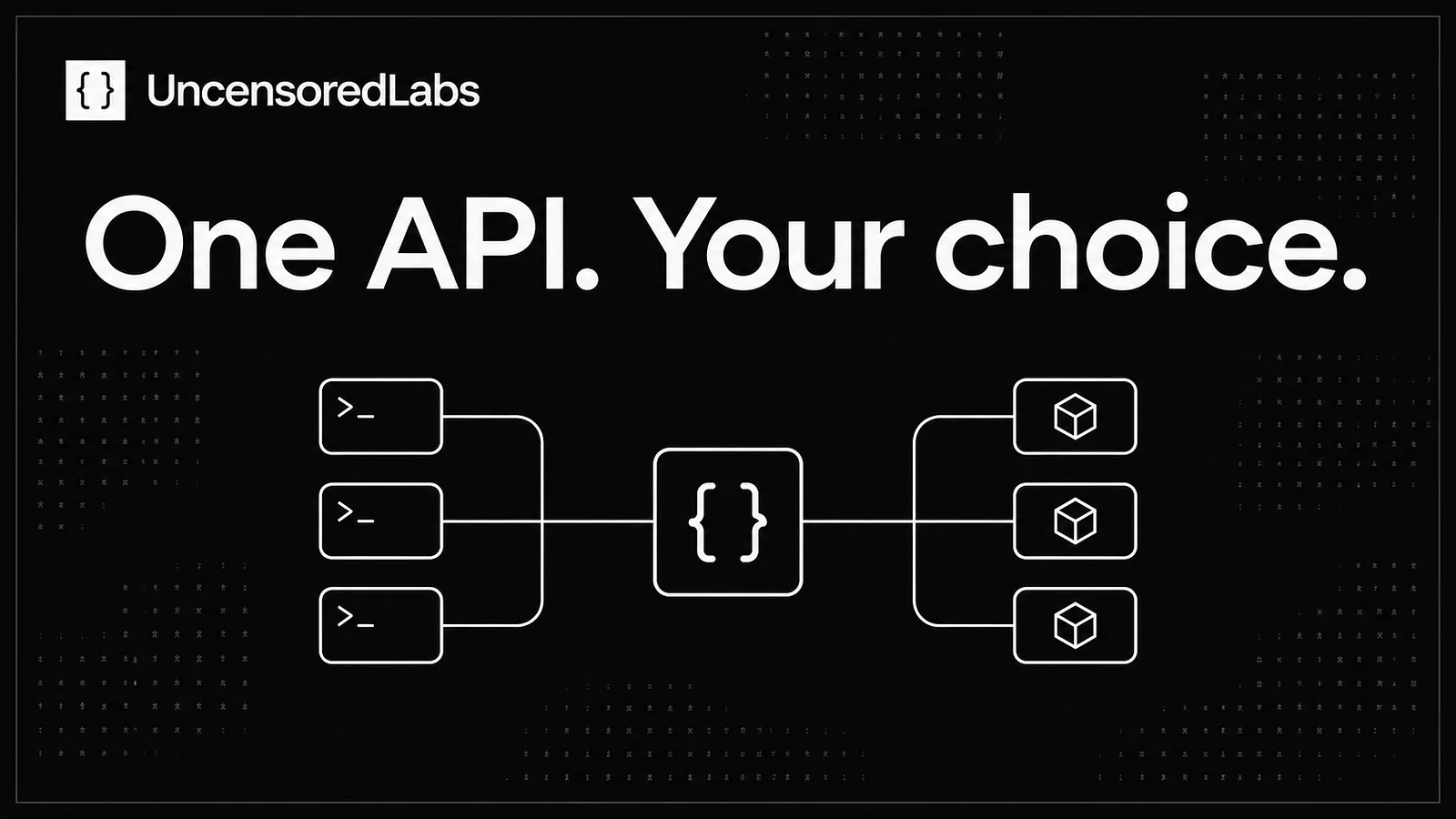
In the world of AI-assisted writing, maintaining clarity between an author's edits and AI-generated suggestions is crucial. This is especially true when using an uncensored AI writing assistant, which might propose new content while the original is still being revised. Without clear separation, the author's intent and reasoning can be lost if the AI's suggestions overwrite their work.
Treat a Suggestion as a Separate Object
To ensure the integrity of the author's work, it's essential to display the original and suggested revisions as distinct versions. This approach allows the author to make informed decisions about which wording to keep. Clearly labeling the type of change—whether it's shortening, explaining, changing tone, or correcting an issue—is also important. A request to simply shorten a paragraph should not be interpreted as permission to add new information.
For smaller applications, the suggestion record might include the source paragraph, the requested change, and the proposed new text. It's important to note that this is a design proposal rather than a claim that UncensoredLabs offers document-editing or version-history features.
Notice When the Author Changes the Source
When AI-generated responses are streamed, they might arrive after the author has already edited the paragraph. The application should be able to detect such discrepancies, prompting the author to compare the AI's suggestion with the current text or offering to generate a new suggestion. It's important not to apply an AI-generated response to a different revision just because it's the latest.
The useful boundary is the author's choice.
This highlights the importance of allowing the author to decide which text to accept. The document editor must clearly indicate which parts of the text have been adopted.
Review Meaning as Well as Wording
Before accepting any revisions, it's critical to compare elements like names, quantities, conditions, and qualifications to the original. A shorter, more fluent sentence might inadvertently broaden a promise made in the original. If a revision introduces new facts, ask for supporting evidence before assuming accuracy based solely on fluency.
For example, altering "eligible new accounts" to "every new account" fundamentally changes the conditions of an offer. Such distinctions must remain evident in the review process, even if the AI was only asked to make the paragraph more concise.
Make Undo Understandable
When using an editing interface, authors should easily understand what happens when they undo an action. Whether it restores a previous edit, removes a suggested change, or reverses an accepted replacement, the interface should clearly label each version and maintain consistent behavior. It's not enough to show a model's explanation as evidence of a change; the document's actual state must be confirmed.
Testing such workflows with synthetic text is advisable before connecting them to real documents. These suggestions are meant to guide application developers and do not reflect tests conducted against a model.
Explore a Text-Based Integration
UncensoredLabs offers uncensored AI models through an OpenAI-compatible API, featuring streaming chat completions, prepaid token billing, and API-key spending limits. While UncensoredLabs provides the AI models, the application is responsible for its editing interface, decision-making, and document storage.
Eligible new accounts can receive a one-time $0.10 trial usage credit, though verification might be required. Regular pricing and request limits apply, with no recurring free tier.
For more information, visit the following resources:
- Website: https://uncensoredlabs.dev/
- API docs: https://uncensoredlabs.dev/docs
- Privacy: https://uncensoredlabs.dev/privacy
- Documentation/configuration/examples: https://github.com/UncensoredLabs/uncensored-ai-api
- Updates: https://x.com/uncensoredlabs0

The image above captures the UncensoredLabs landing page as of October 31, 2026. Be aware that historical text may differ, and current website eligibility, prices, and terms apply.